Differential scanning
calorimetry.
DSC measures how much extra heat a sample absorbs or releases as its temperature changes.
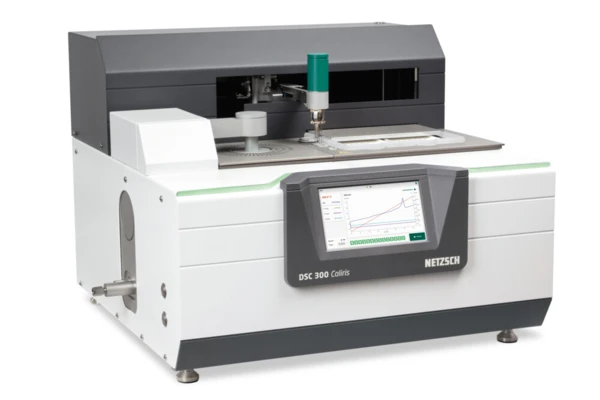
Analyzing properties of materials with heat.
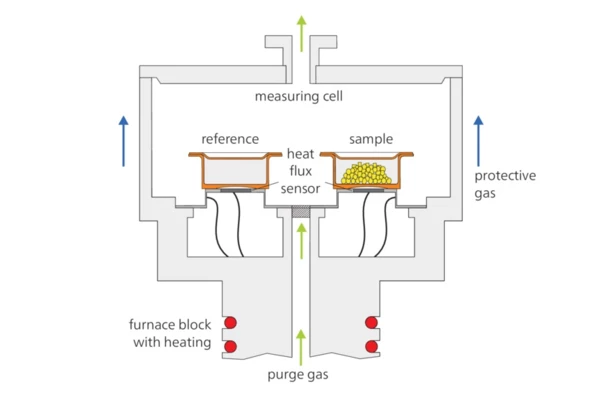
DSC begins with just a few milligrams of material, which is weighed and sealed in a small sample pan. A second pan with nothing in it serves as a reference pan. Inside the machine, the sample pan and an empty reference pan follow the same heating or cooling program. For example, 10 degrees C per minute. The instrument measures the difference in heat flow needed to keep them following that program, and plots it against temperature.
Melting, crystallization, curing, and glass transitions each change the curve in a recognizable way. Researchers use these features to compare materials, check if a polymer cured, or see how processing changed crystallinity.
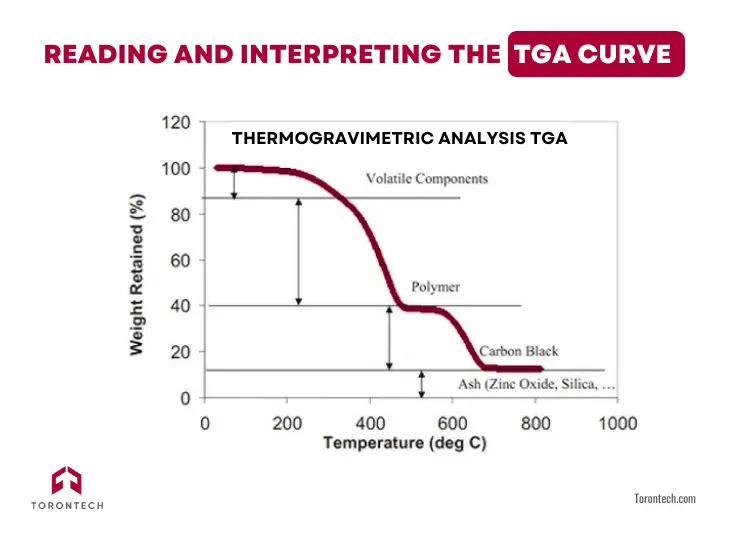
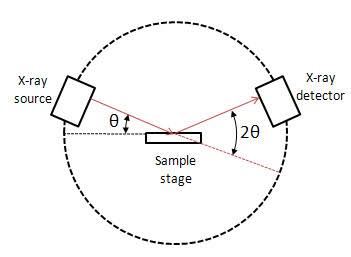
The sample mass, heating rate, atmosphere, and pan type all affect the curve's shape. DSC is often paired with thermogravimetric analysis (TGA) or X-ray diffraction (XRD), because several transitions can overlap.
See all lab guides ↗