Hot isostatic pressing.
HIP surrounds a part with hot, high-pressure gas so internal pores shrink and defects are eliminated or minimized.
HOW IT WORKS
HIP combines heat and pressure together.
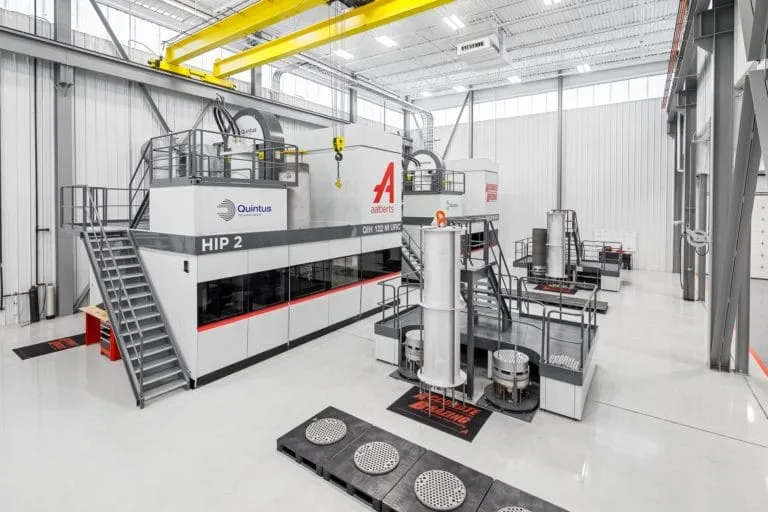
In HIP, cleaned parts are placed inside a thick-walled pressure vessel and surrounded by hot, high-pressure inert gas, usually argon. This gas presses from every direction, which is why the pressure is called isostatic.
Heat makes deformation and atomic movement easier, while pressure pushes the surfaces of enclosed pores together. The pores shrink and bond closed, producing a denser and "healed" material.
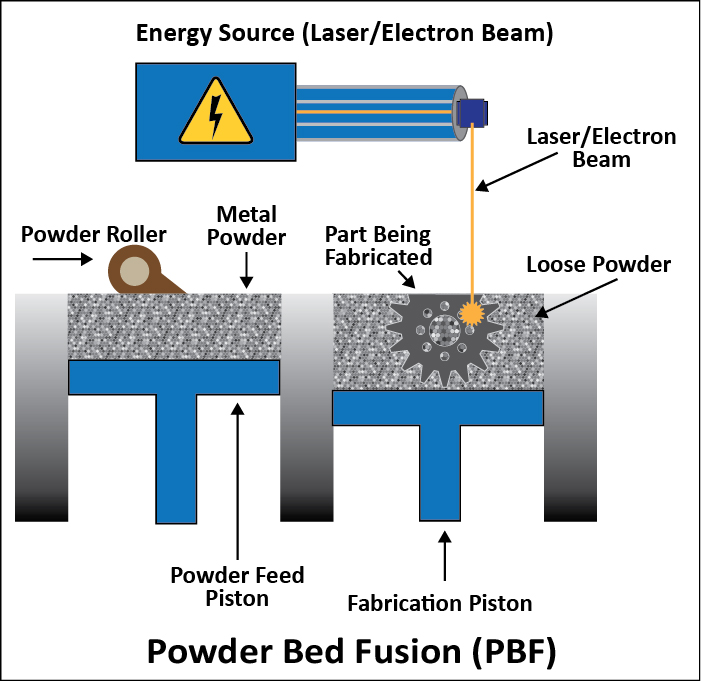
HIP works best on enclosed internal pores, and it cannot repair every surface crack, contamination problem, or incorrect material composition. It is most common after casting and metal 3D printing.
See all lab guides ↗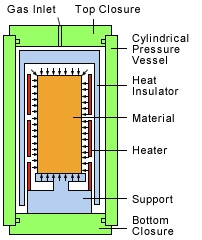
RELATED LAB GUIDESKEEP EXPLORING