Powder-bed fusion.
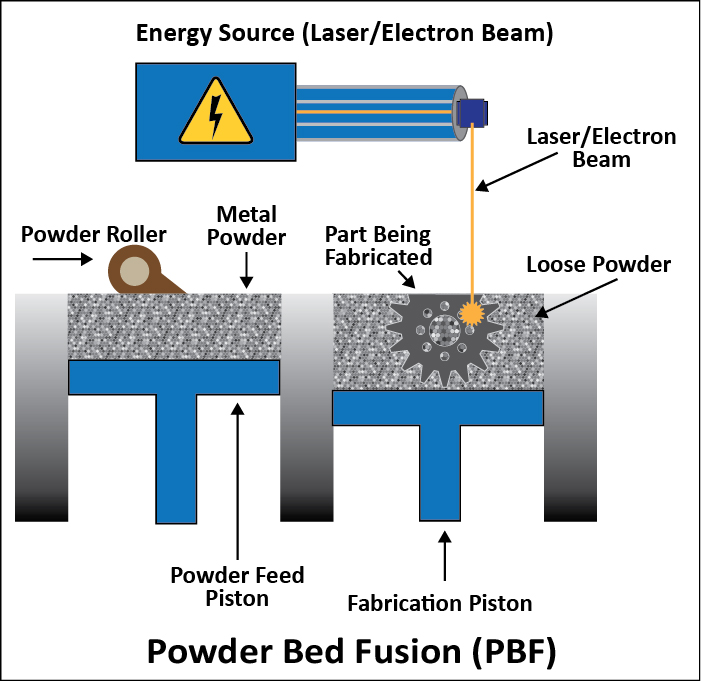
Powder-bed fusion spreads thin layers of powder and repeatedly joins/fuses each layer with a laser, electron beam, or heat source to create a three-dimensional part.
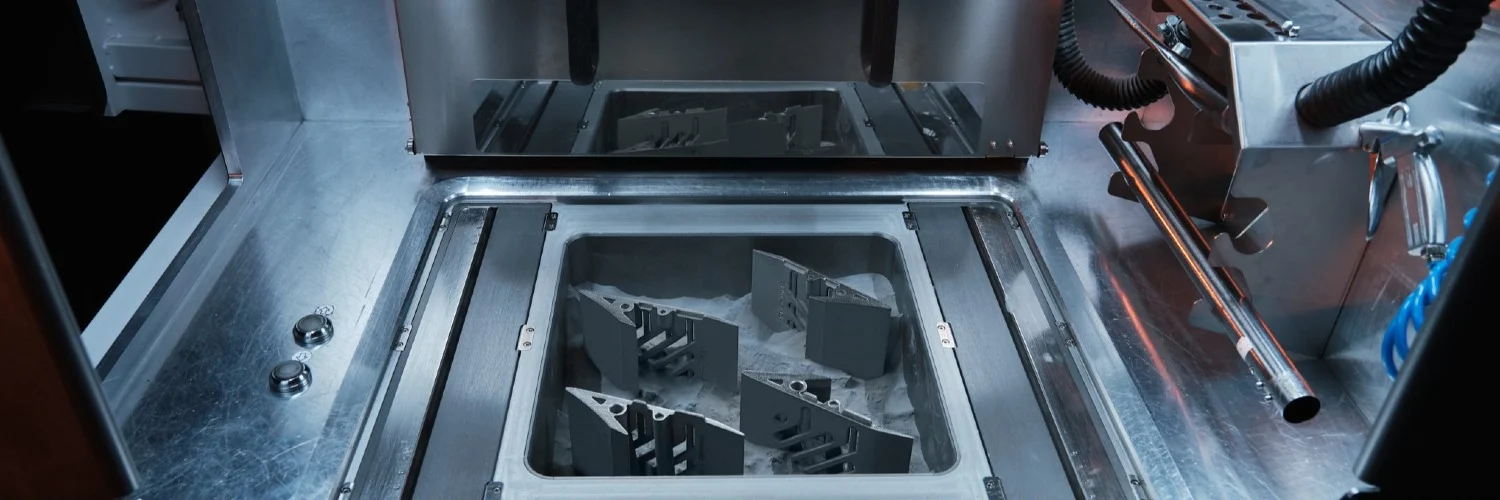
An advanced, industrial version of plastic 3D printing.
First, software slices a three-dimensional model into thin layers, usually 20-100 micrometers thick. Inside the machine, a powder bed spreads a layer of clean, fine powder. Then, a laser, electron beam, or heat source joins only the regions belonging to the part.
To create the part, the platform moves down, fresh powder is spread, and the process repeats. Unfused powder supports complex shapes while they are being built.
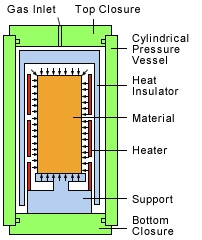
Beam power, scan speed, layer thickness, and powder quality all affect pores and distortion. Finished parts then usually need powder removal, heat treatment, machining, or hot isostatic pressing.
See all lab guides ↗